
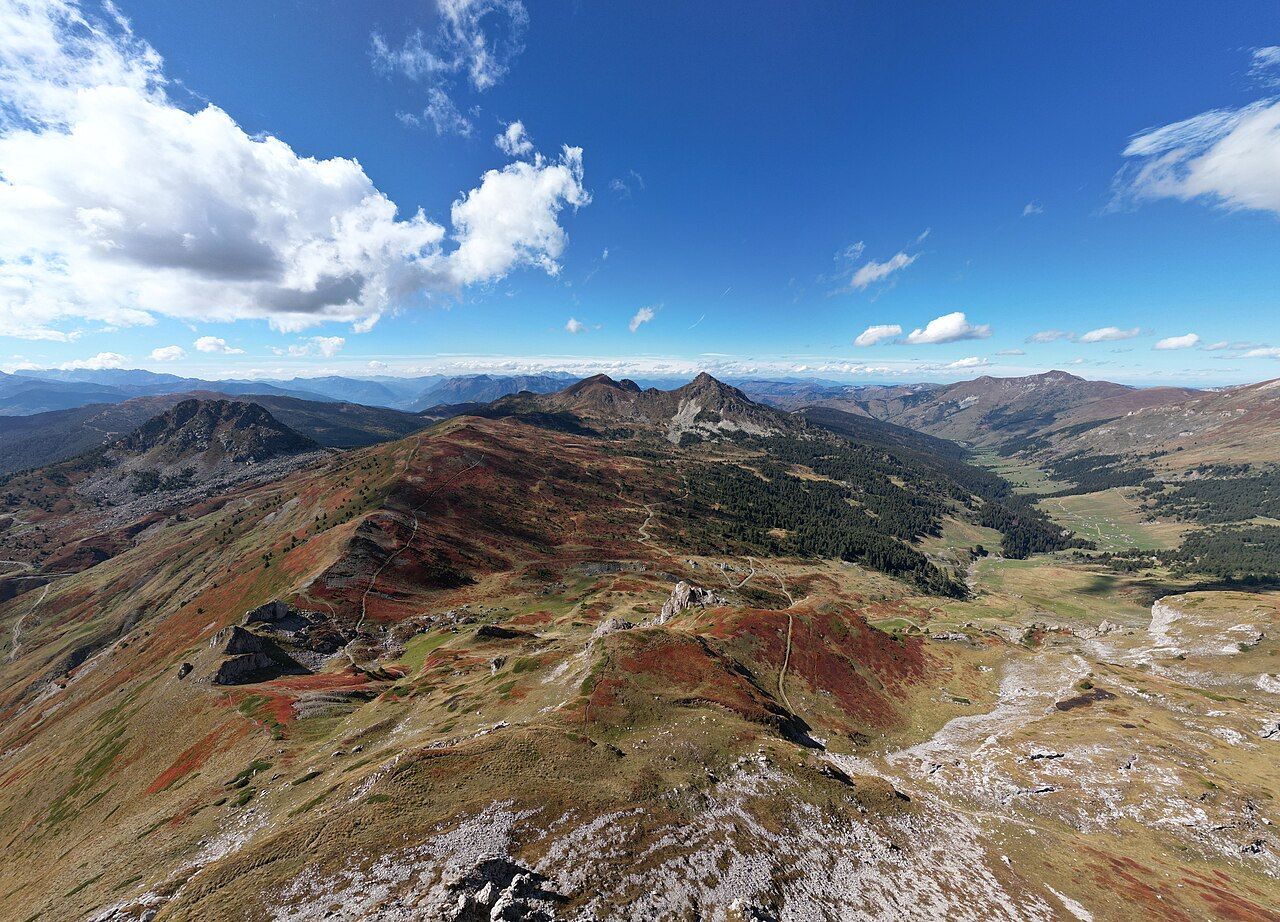
The Peaks of the Balkans is a long-distance hiking route through the Accursed Mountains, known as Bjeshkët e Nemuna in Albanian and Prokletije in Serbian and Montenegrin. The loop runs for close to 200 kilometres through Kosovo, Albania and Montenegro, crossing the borders on mountain paths rather than at road checkpoints. Most hikers walk it in ten days to two weeks, sleeping in village houses and summer settlements along the way.
It is not a technical route, but it is a serious one. Days are long, passes are high and the weather turns quickly. The rewards are limestone walls, wide summer pastures, glacial valleys and a chain of villages where hikers have become part of the summer rhythm.
How the loop works
Because it is a loop, you can start in any of the three countries. From Kosovo, the natural starting point is the city of Peja/Peć, where the road climbs west through the Rugova Canyon into the highlands. From there the route heads into Montenegro around Plav and Gusinje, crosses into Albania towards Theth and Valbona, and returns to Kosovo through the high country near the three-way border.
Waymarks are mostly the familiar red and white paint stripes, sometimes faded or missing at junctions, and some sections share paths with shepherds and their flocks. Carry a paper map as well as an offline map on your phone, and do not rely on mobile signal: on long stretches you will have none.
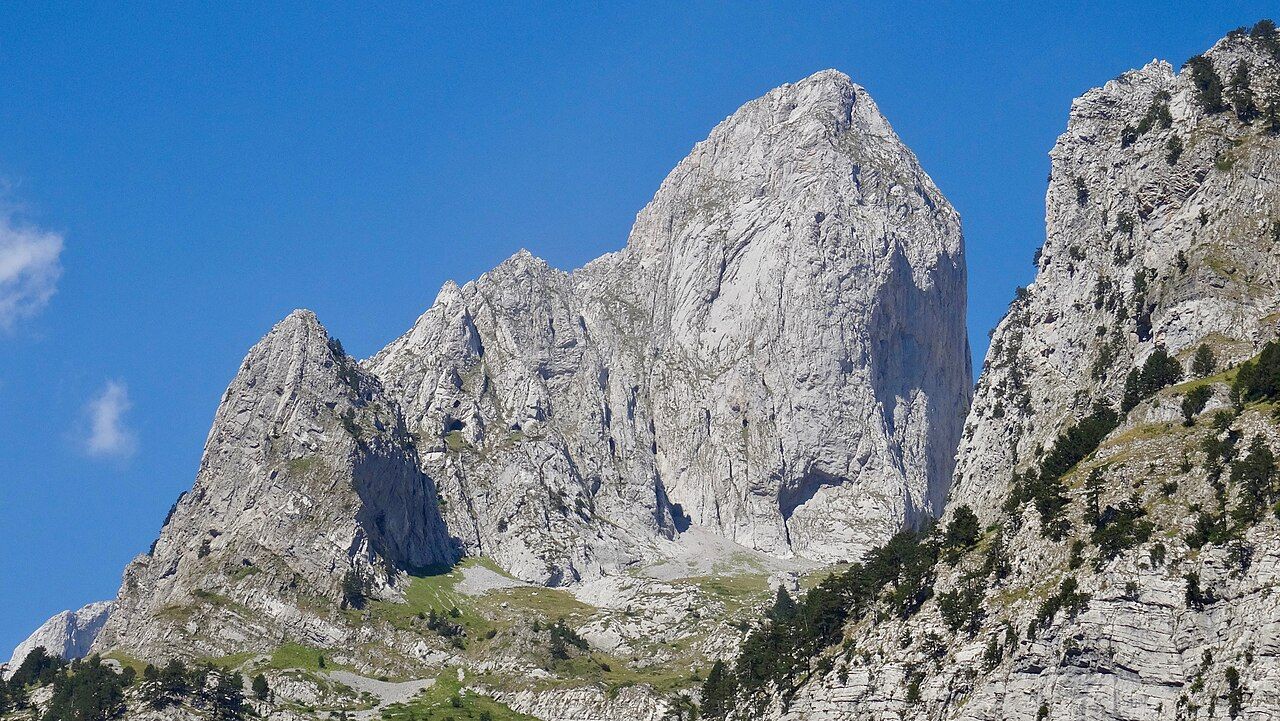
Many hikers do not walk the whole loop. The section from Theth to Valbona is the best known and can be done as a day hike, which is covered in our guide to walking from Theth to Valbona. Shorter circuits from Rugova or from Plav also work if you have a week or less.
Distances between villages are usually a long day's walk, often with a big climb and descent in between. Fit hikers used to mountain paths manage the stages comfortably, but they are tiring for anyone who has not walked with a pack for several days in a row. If this is your first long trail, build in rest days in the larger valleys, where you can wash clothes, resupply and give your feet a break.
Border permits, in general terms
This is the part that needs the most planning. Crossing a border on foot away from an official crossing point is only allowed with advance permission from the authorities of the countries involved. Hikers usually apply for permits for each border section of the route before they set out. The process, the documents required and how long it takes have changed over the years and can change again, so check current official guidance well before your trip and leave a generous margin.
Once you have permits, print them and keep copies with your passport. Carry the passport at all times on the trail, since patrols do check papers in border areas. If you plan to finish your trip by leaving Kosovo for a neighbouring country by road, read up on the entry and exit rules for that border as well; our notes on buses and borders cover the general picture.
Crossing a border on foot away from an official crossing point is only allowed with advance permission from the authorities of the countries involved.
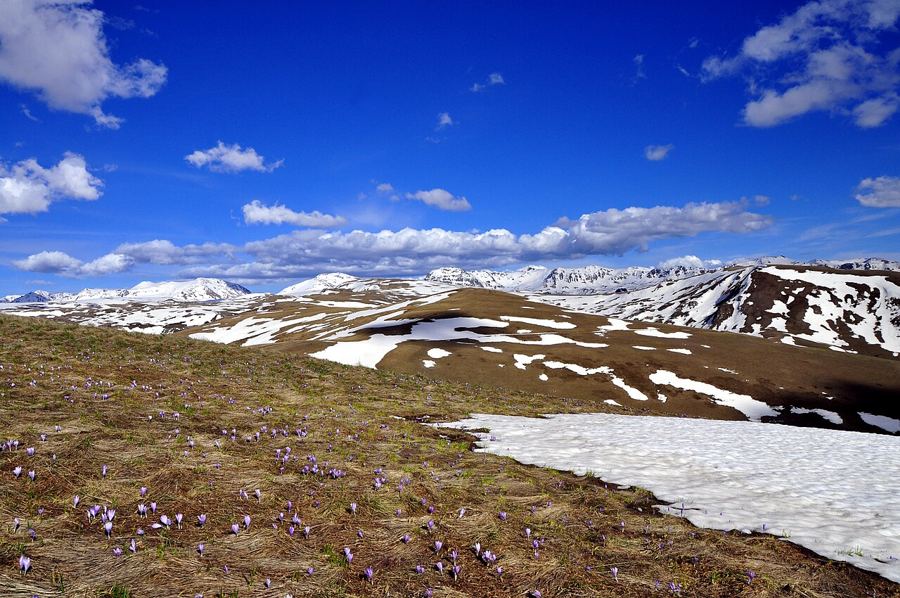 Change here for SharrThe Sharr Mountains and Brezovica
Sleeping and eating in the villages
Along most of the loop you sleep in family houses in villages or in summer settlements on the high pastures. Many offer half board: a bed, dinner and breakfast, with a packed lunch on request. Food tends to be what the household produces or buys locally, such as cheese, yogurt, bread, beans, potatoes and seasonal vegetables, often with a pot of strong coffee or mountain tea at the end of the day.
Standards vary from simple rooms with shared bathrooms to newer purpose-built guesthouses. It is wise to contact places ahead in July and August, when popular villages fill up. Carry enough cash for the whole trip: card payment is rare, and cash machines are found only in the towns at the edges of the mountains.
Seasons and weather
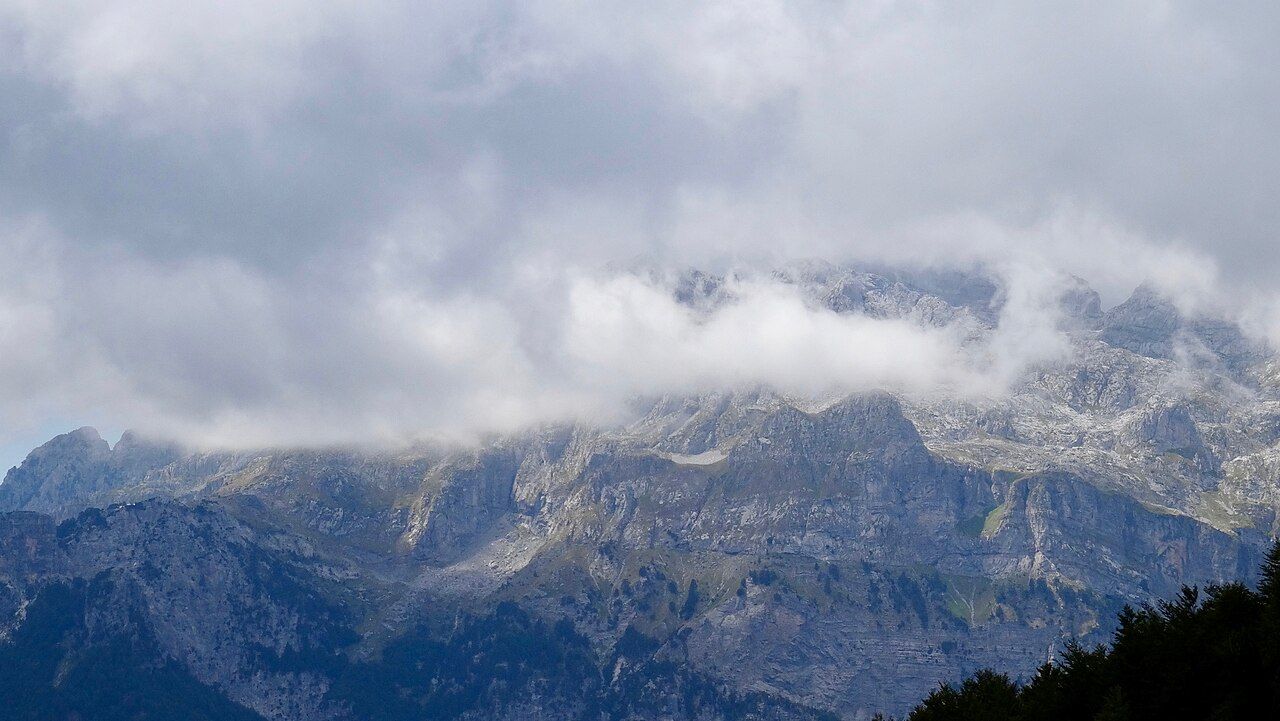
The usual walking season runs from late June to September. Before that, snow often lingers on the high passes and north-facing slopes, and some summer settlements are not yet open. In July and August, mornings are usually clear and warm, while afternoon thunderstorms are common; start early and aim to be over the highest ground by early afternoon. September brings cooler days, quieter paths and some of the clearest views of the year, though nights at altitude can be cold.
- Pack a waterproof jacket, a warm layer and a hat, even in midsummer.
- Carry more water than you expect to need on long ridges; springs exist but are not always where the map shows them.
- Do not cross a high pass in thick cloud or lightning; wait or turn back.
Gjeravica and side trips on the Kosovo side
Gjeravica, Kosovo's highest summit, rises close to the route on the Kosovo side and is a popular side trip for hikers with an extra day and settled weather. Below it lies a small mountain lake, and from the top you look across a sea of ridges into Albania and Montenegro. The ascent is long and steep rather than technical, but it is remote, so go with a clear forecast and tell your hosts where you are heading.
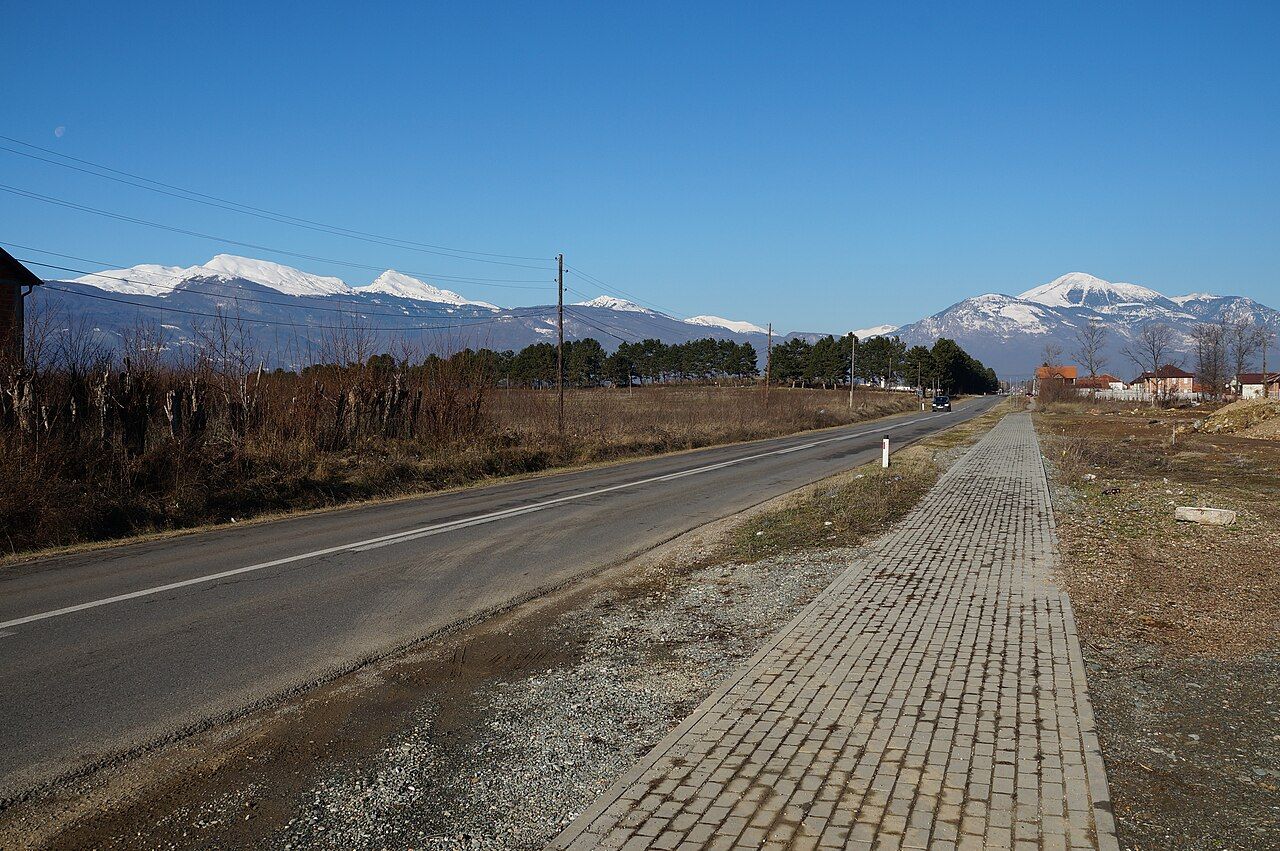
The lower valleys are worth time too. The Rugova highlands have small villages, summer pastures and forest tracks that make good acclimatisation walks before the big days, and the city of Peja is a sensible place to rest, restock and find a cash machine between sections.
Planning on a budget
The loop is not the cheapest way to see the mountains, because half board, transfers between trailheads and permits add up. You can still keep costs down. Walk in a small group so you can share transfers, carry snacks from town rather than buying them in villages, and choose simpler houses where they exist. Prices and arrangements change from year to year, so check with your hosts rather than relying on figures from old trip reports.
Above all, give yourself spare days. Weather, tired legs and the pull of a good valley all make it hard to stick to a tight plan, and the trail is best walked without a deadline.
Finally, think about how you will leave the mountains. Transfers out of remote valleys can be infrequent, and the nearest towns with regular buses, such as Peja on the Kosovo side or Plav and Gusinje in Montenegro, may be some distance from where you finish. Ask your last hosts the evening before; they usually know who is driving down and when, and can help you avoid a long wait at the roadside.