
Food in Kosovo is hearty, seasonal and cheap. Breakfast comes from the bakery, lunch is often grilled meat or a baked dish, and the day is punctuated by coffee. The cooking shares a lot with the rest of the Balkans and with Turkey, with its own twists in each town. You can eat very well on a small budget if you know what to ask for.
This guide covers dishes and habits, not places. Look for where locals are eating and you will rarely go wrong.
The bakery breakfast
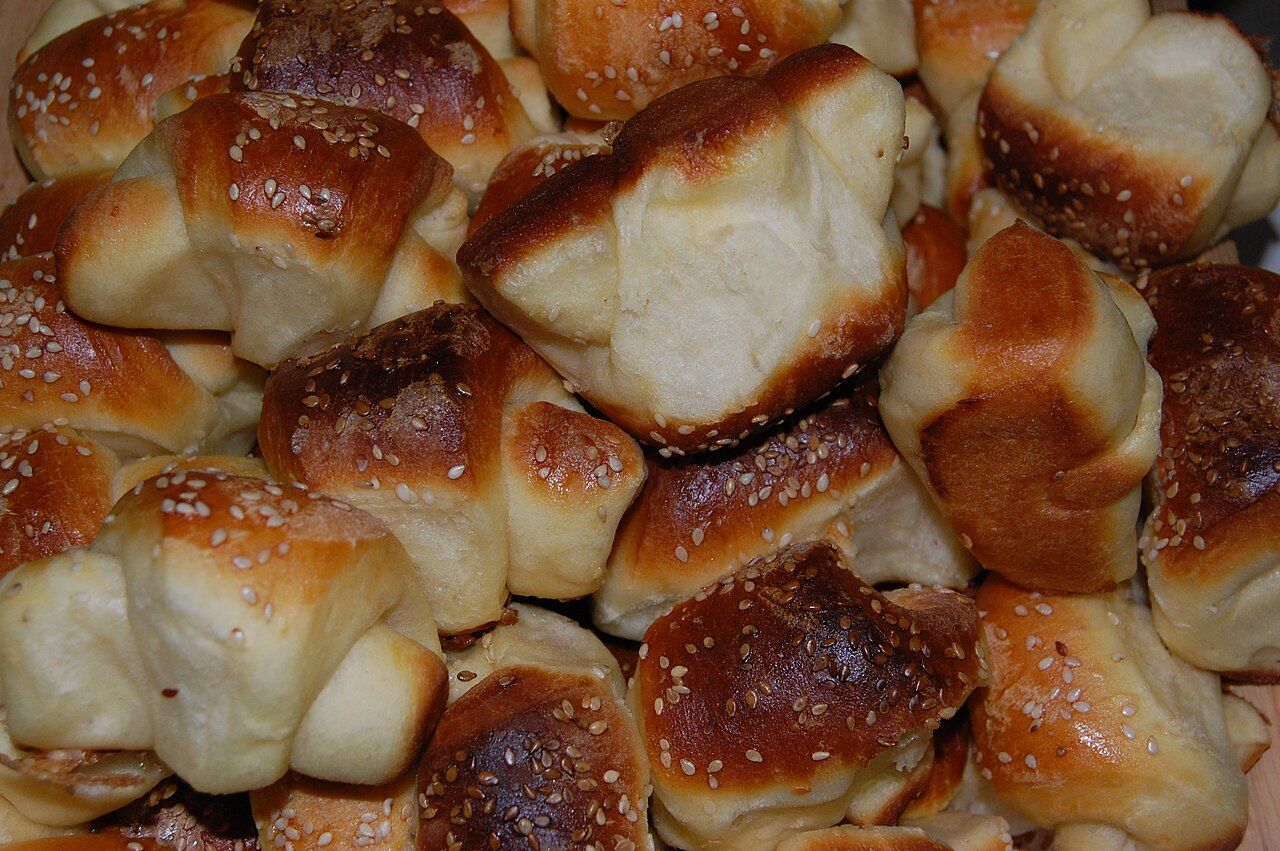
Most mornings start at a bakery. Look for burek, a flaky pastry filled with cheese, meat, spinach or potato, sold by weight or by the piece. Pite, the Albanian word for pie, covers a range of filled pastries baked in round trays. Fresh bread rolls, some topped with sesame, are cheap and good on their own.
Burek is often eaten with plain yogurt or a yogurt drink, which balances the richness of the pastry. Bakeries open early and the best pastries sell out, so go before mid-morning if you can.
Bakeries also sell sweet pastries and simple cakes, and many make a soft, round bread that is often eaten with cheese. A bag of rolls, a pot of yogurt and some fruit from the market make a cheap breakfast or lunch for a day on the road.
Flija and other slow dishes
Flija is the dish most closely tied to Kosovo and northern Albania. Thin layers of batter are spread one at a time in a round pan, brushed with cream and baked under a heated lid over embers, building up slowly over a few hours. The result is a dense, layered cake, served in wedges with yogurt, cheese or honey. Because it takes so long, flija is often made for gatherings, and in some places you need to order it ahead.
Tavë means a baked dish, usually cooked in a clay or metal pan. Versions vary from town to town: meat with peppers and tomatoes, lamb baked with yogurt and egg, or vegetables in a rich sauce. Bean stews and stuffed peppers are common, cheap and filling.
In Prizren and some other towns, you will see local versions of tavë and other baked dishes named after the town. Each region claims its own speciality, and asking about it is a good way to start a conversation.
Grills and street food
Grilled meat is everywhere. Qebapa, small grilled sausages of minced meat, come in portions of several pieces with bread, chopped onion and sometimes a creamy cheese spread. Burgers made from the same mixture, larger grilled patties and grilled chicken are also widely available. Grill houses are simple, quick and very good value.
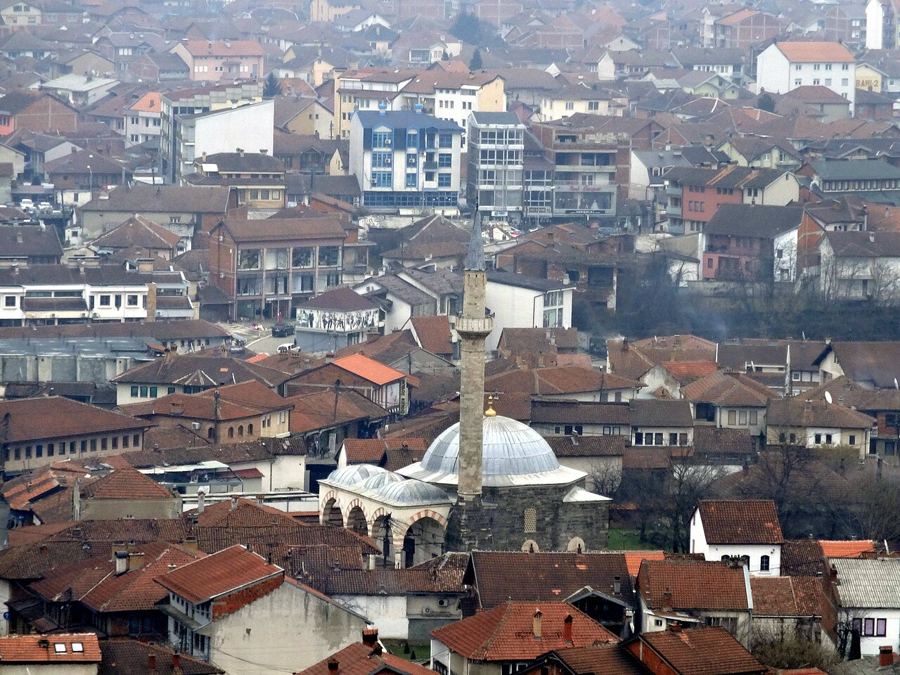 Change here for GjakovaGjakova's long old bazaar and the bridge of the tailors
For a cheap meal on the go, a stuffed flatbread from a grill counter costs little and fills you up. Corn on the cob and roasted chestnuts are sold on the streets in season.
Vegetarians can eat well, though they need to ask. Pastries with cheese or spinach, bean stews, stuffed peppers, salads and grilled vegetables are widely available. Many baked dishes include meat, so it is worth checking before you order. The Albanian words for cheese, djathë, and vegetables, perime, are useful to know.
Ajvar and the autumn kitchen
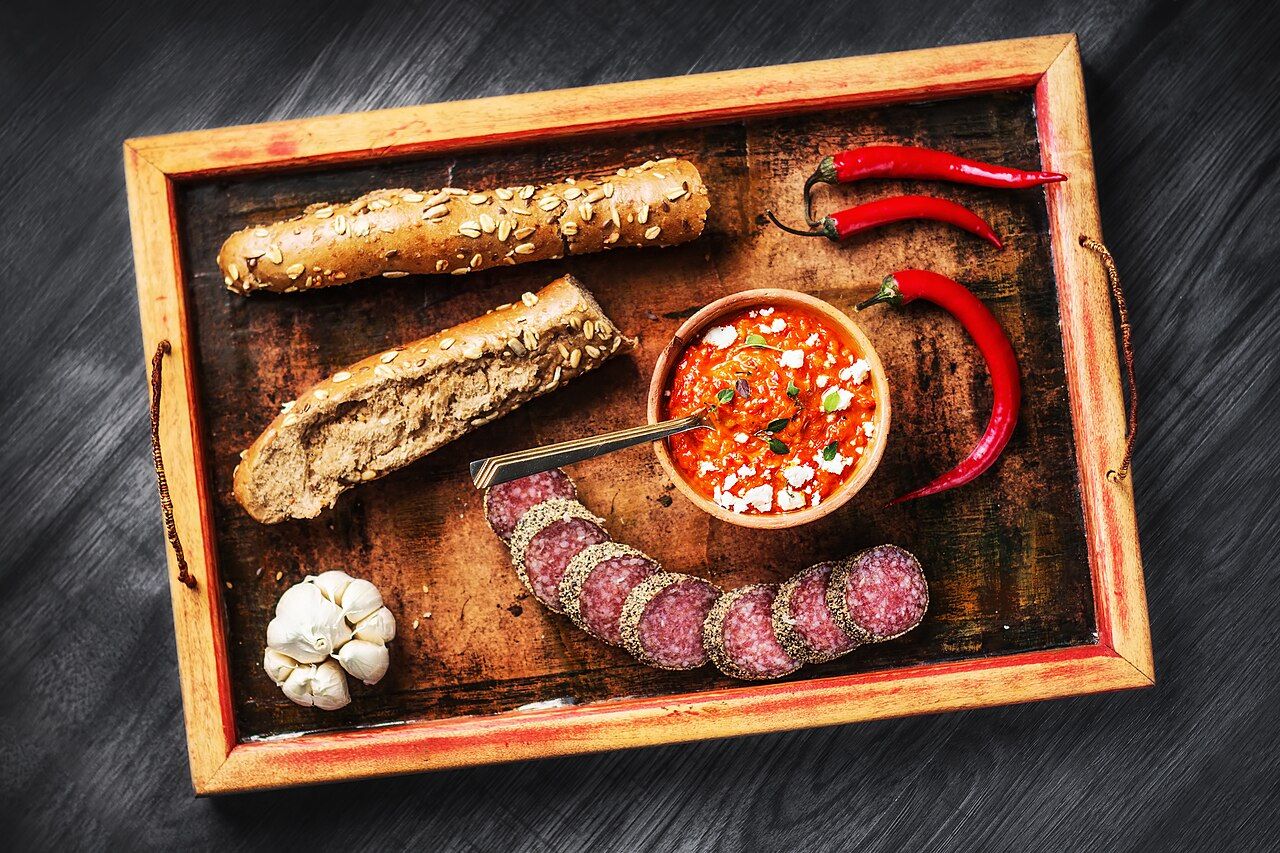
In autumn, the smell of roasting peppers fills many courtyards. Ajvar, a relish made from roasted red peppers and sometimes aubergine, is prepared in large batches and stored for winter. Every family has its own recipe. It is spread on bread, eaten with cheese or served beside grilled meat. You will find similar relishes in Serbia, North Macedonia and across the region.
Peppers cooked in cream, known in Albanian as speca me maze, are another favourite. Salads of tomato, cucumber, onion and white cheese come with most meals in summer.
Macchiato culture
Coffee is part of daily life. The macchiato, a small espresso with steamed milk and foam, is the default order in Kosovo, and many people say it is among the best in the region. Cafés fill up through the day with people talking for hours over a single cup. Nobody hurries you out, and it costs very little.
Turkish-style coffee is also common, especially at home and in older cafés. Tea is often served in small glasses. If you are invited into a home, expect coffee or tea before anything else.
Offering a drink is a way of welcoming guests, and refusing outright can seem cold. Accept at least one cup, and if you do not want more, leave a little in it.
Ordering, paying and saving money
Menus in towns are often in Albanian, with English in more visited places. Pointing at dishes or at what others are eating works well. Portions are generous, so share if you are on a tight budget.
Lunch is often the main meal of the day, and many simple places serve a set dish or two at midday. These are usually the cheapest hot meals you will find, and they change daily, so ask what is ready rather than ordering from the full menu.
- Bakeries and grill houses are the cheapest places to eat.
- Markets sell fruit, vegetables, cheese and bread for picnics.
- Rounding up the bill is a common way to tip.
- Carry cash: many small places do not take cards.
Food is a good reason to linger in each town. Try the pastries in Prizren's old town, the cafés of Pristina and the grills of Peja, and compare as you go.