
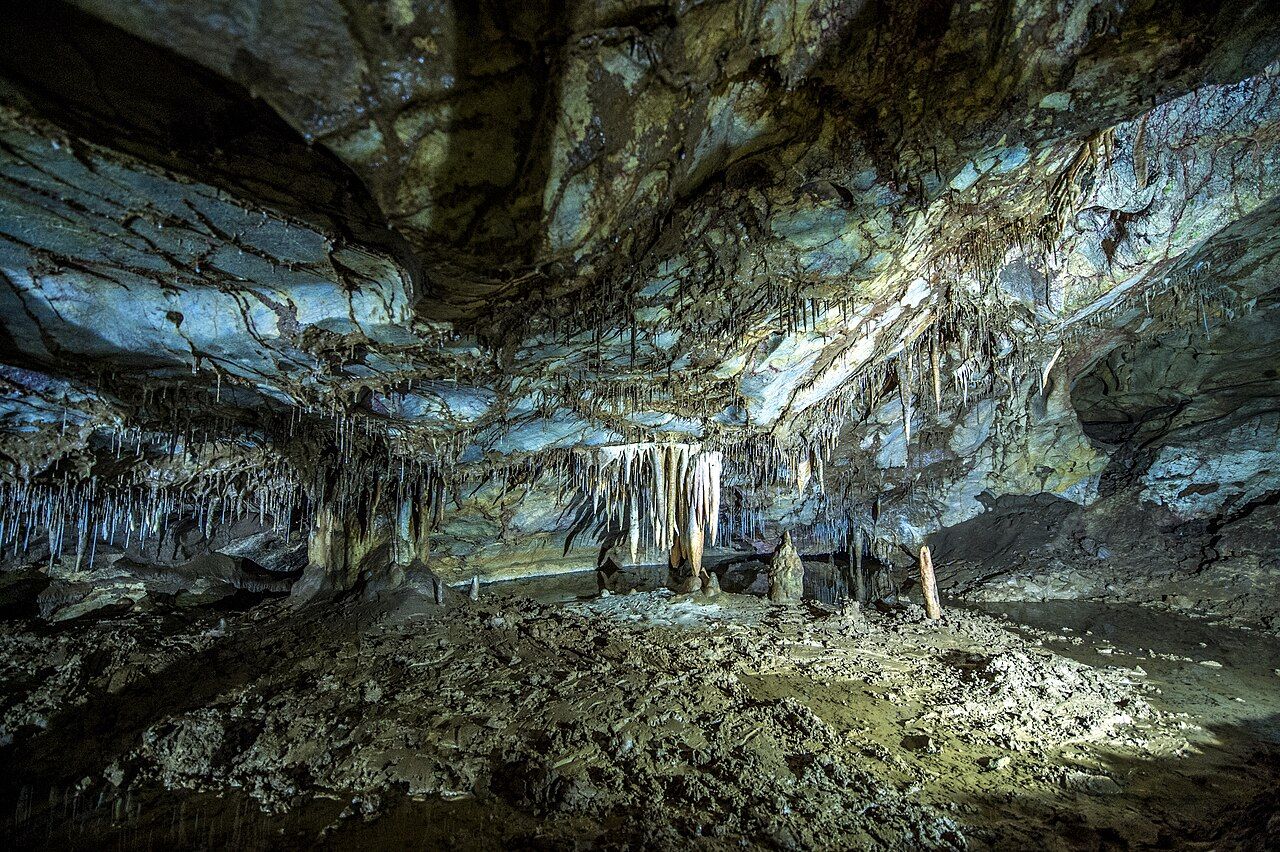
Kosovo has plenty of caves, but the Marble Cave at Gadime (Shpella e Gadimes) is the one most visitors see. It lies in the village of Gadime, in the municipality of Lipjan, roughly twenty-five kilometres south of Pristina. The walls of the cave are cut through marble rather than ordinary limestone, which gives it its name, and its passages are decorated with delicate crystals of aragonite and helictites. It is not a huge cave, and the visit is short, but it makes a cool and unusual half-day trip from the capital, especially on a hot summer afternoon.
A cave found by chance
The cave is said to have been discovered in 1966, when a villager was working on his land and found an opening leading underground. After exploration, part of it was prepared for visitors with paths, steps and lighting. Today a section of the system is open on guided visits, while other passages remain closed to the public.
The cave developed over a very long time as water slowly dissolved the marble and then deposited minerals in new forms. The result is a series of chambers and narrow passages, some quite tight and low, decorated with formations that you rarely see elsewhere.
What you see inside
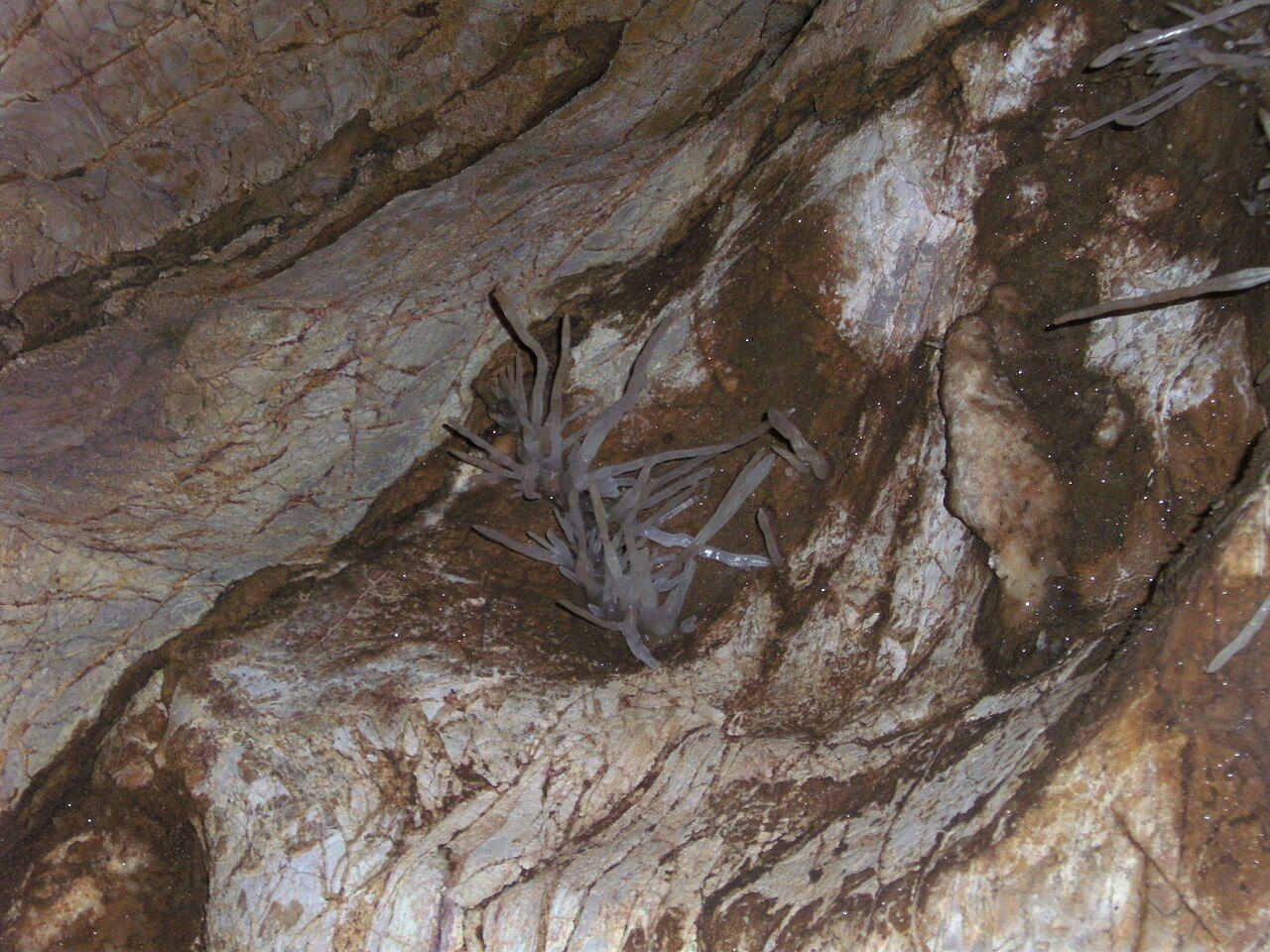
The cave's best-known features are its crystal formations.
- Aragonite. A form of calcium carbonate that grows in fine needles and clusters, often white or translucent, sometimes looking like frost or tiny flowers.
- Helictites. Strange, twisted formations that grow in every direction, seemingly ignoring gravity, rather than hanging straight down like stalactites.
- Stalactites and stalagmites. The familiar hanging and rising columns, in many shapes and sizes.
- Marble walls. In places the bare rock shows the veins and colours of the marble itself.
The formations are fragile and grow extremely slowly. Do not touch them, even lightly, as oil from skin can stop growth or discolour them.
The guided visit
Visits are guided, and you cannot wander alone. Tours generally last somewhere between half an hour and an hour, following a set path through the lit chambers. Guides may speak some English, but it varies; ask at the entrance. Group size, timing and the language of the commentary can all differ by day.
There is usually a small entry fee, and opening hours change with the season. Check before you go, especially outside summer or on public holidays, when hours may differ.
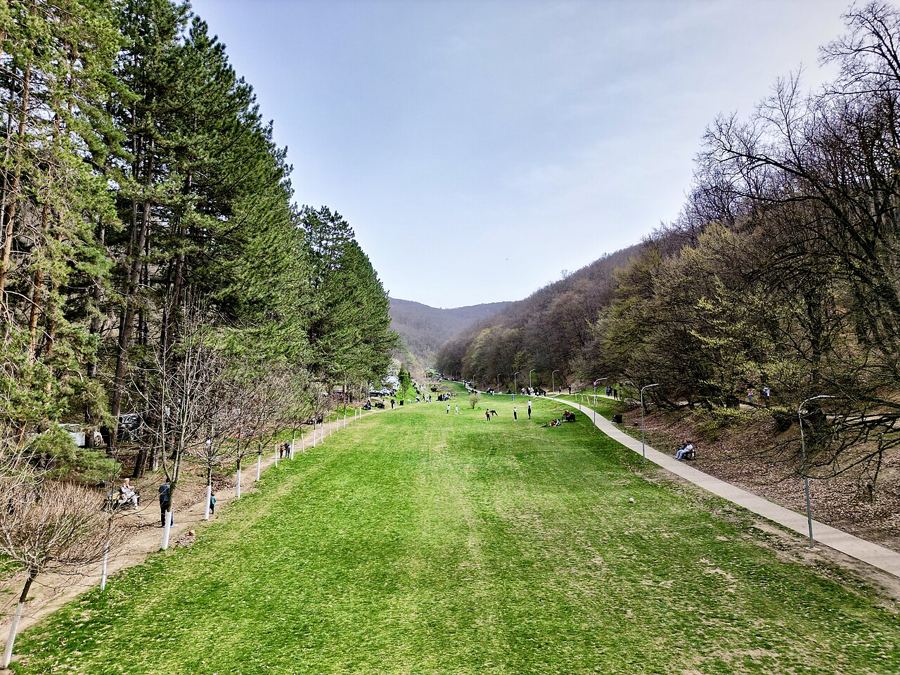 Change here for GermiaGermia Park and the bear sanctuary, Pristina's green escapes
What to bring and wear
The temperature in the cave stays cool all year, so even in July a light jacket or sweater is welcome. Paths can be wet and slippery in places, and some passages require you to duck or stoop.
- Wear closed shoes with good grip, not sandals.
- Bring a light layer, whatever the weather outside.
- Carry cash for the entry fee and a drink afterwards.
- Leave large bags behind if you can; some passages are narrow.
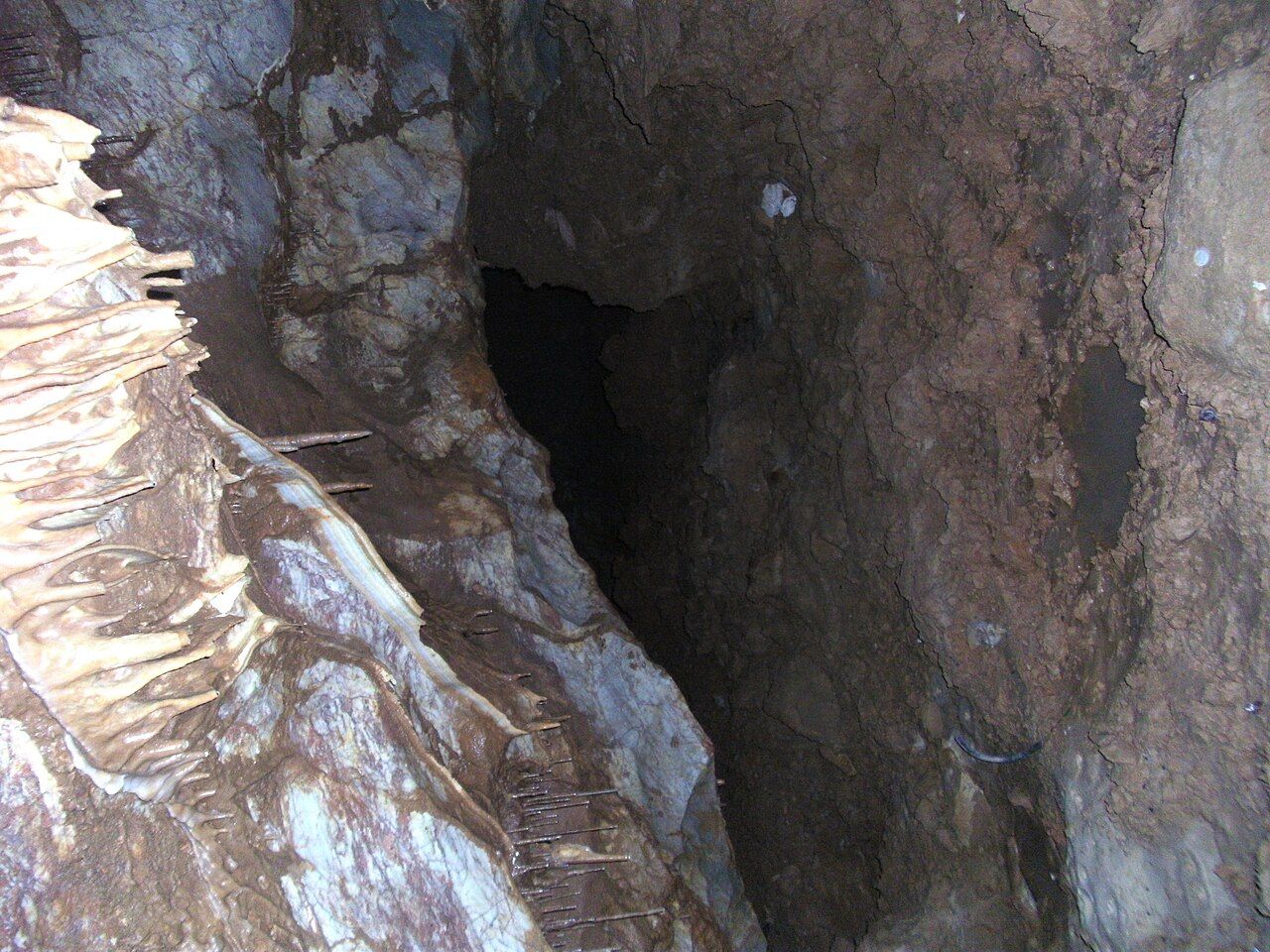
If you are claustrophobic, be aware that sections are tight and low. The visit is not demanding physically, but it is not suitable for everyone. Ask the staff about the route if you are unsure.
Visiting with care
A cave like this is easy to damage and impossible to repair. Its crystals took a very long time to form, and a careless hand or bag can break in a second what nature built over countless years. Follow the guide, stay on the path and keep your hands to yourself, even where a formation seems within easy reach.
Photography rules vary. Sometimes photos are allowed without flash, and sometimes not at all; ask at the start of the tour. Never use a tripod or lean on rails or walls to steady a camera, as this can damage the cave.
Children are usually welcome, but keep small ones close, because the paths are uneven and the lighting is low in places. A small torch of your own can help you see the floor and the formations in the dimmer corners.
After the tour, give your eyes a few minutes to adjust to the daylight before you set off. The area around the entrance is pleasant for a short rest, with views across the fields and low hills of the Kosovo plain.
Getting there
Gadime lies just off the main road and motorway running south from Pristina towards Ferizaj and Skopje. Buses heading south from Pristina pass nearby; ask the driver to let you off at the turn-off for Gadime, from where it is a walk into the village and up to the cave. Check the walking distance and route on a map before you go, because the road can be busy.
A taxi from Pristina is often simpler, especially if you share it with other travellers. Agree a fare in advance that includes waiting time and the return trip. Bus routes and times shift between seasons, so confirm them at the station before you go.
Making a day of it
The cave alone takes only a couple of hours including travel, so it pairs well with other outings. Combine it with Gračanica Monastery and Roman Ulpiana, which lie in the same general direction from Pristina, or spend the afternoon back in town following our walk through Pristina in a day.
If you are moving south towards North Macedonia, Gadime makes an easy stop on the way. The Sharr Mountains are further south again, for those who want bigger landscapes after the cave's small wonders.
The village itself is quiet, with little in the way of services beyond a café or two near the cave. Bring water and a snack, especially if you plan to walk from the main road.