
Pristina is a busy, built-up city, and after a day or two of traffic and concrete most travellers want some trees. Two places on the eastern side of the capital deliver exactly that. Germia Park, a large forested hill on the edge of town, is where the city goes to walk, picnic and, in summer, swim. A little further out, near the village of Mramor, a sanctuary gives a home to brown bears rescued from captivity. Either one fills a relaxed half-day, and both are easy on a backpacker's budget.
Germia Park: forest on the city's doorstep
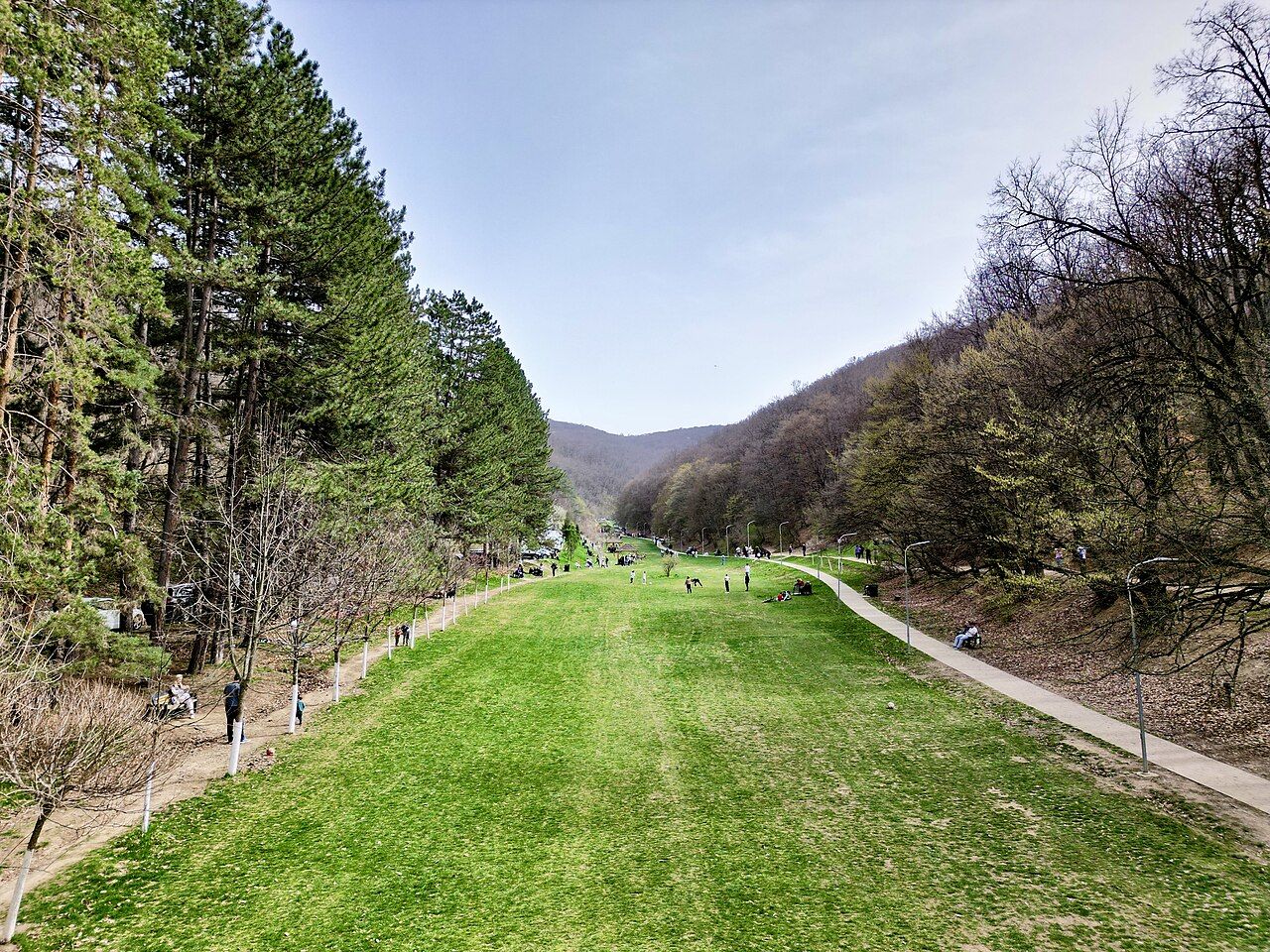
Germia Park (Parku i Gërmisë in Albanian) covers a wide area of wooded hills to the east of the centre. It is the city's main green space and a protected regional park, with oak and pine forest, long open meadows and a network of paths. At the entrance area you find lawns, playgrounds and benches; walk for twenty minutes and the crowds thin out, leaving you among the trees with only birdsong and the odd jogger.
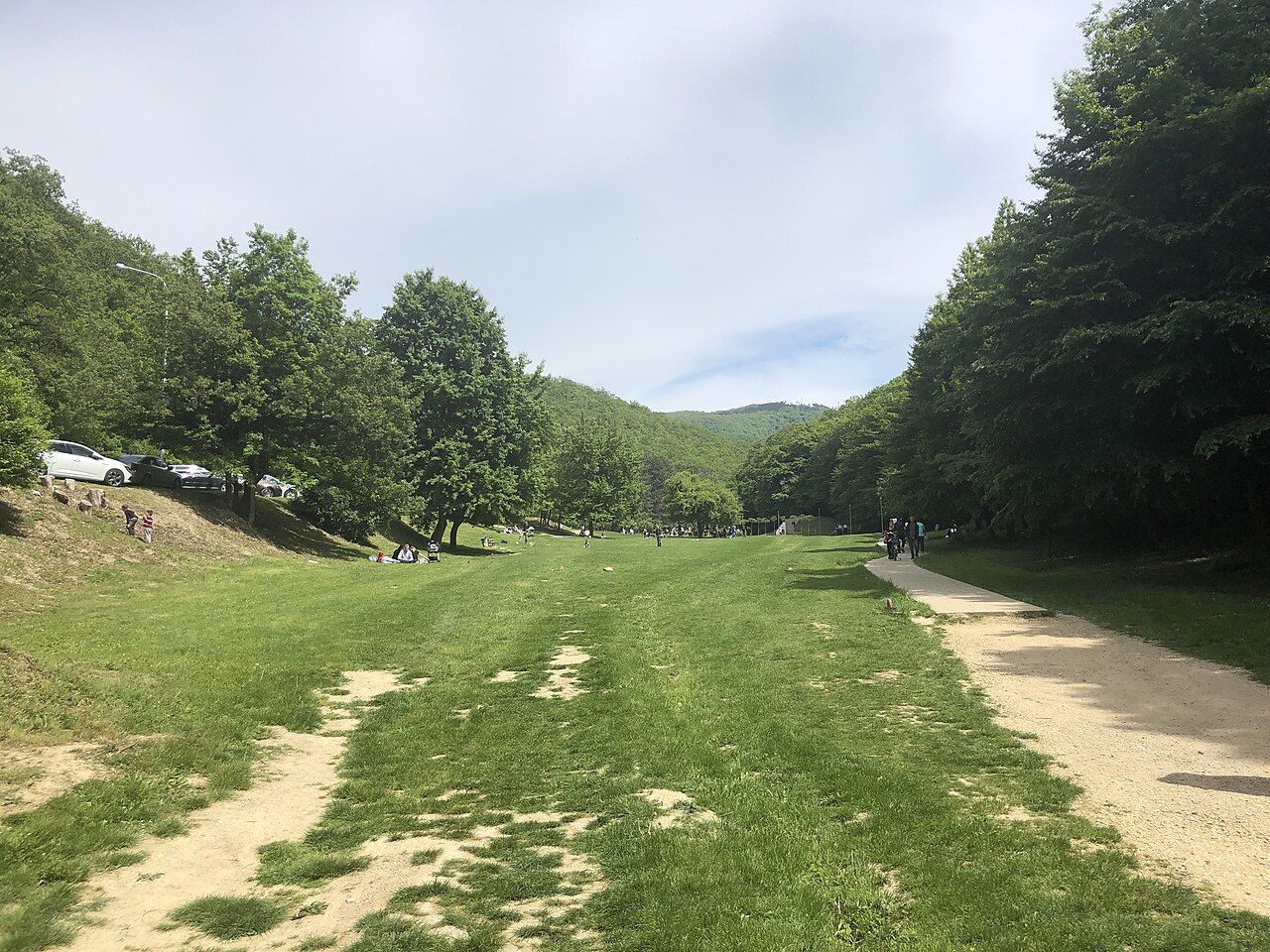
On a warm weekend the main meadows fill with families, groups of friends grilling, and students with speakers. On a weekday morning you may have much of it to yourself. Both moods are worth seeing, because the park shows you a relaxed side of the capital that the centre hides.
Walking the trails
Several marked and unmarked trails head uphill into the forest. You can choose a short loop of an hour or keep walking for several hours along the ridges. Signage is patchy, so it helps to download an offline map before you set out and to note where you entered. The paths are mostly broad and easy, though some sections get muddy after rain.
- Start early in summer, when the shade is cool and the light is soft.
- Carry water; there are few places to refill once you leave the main area.
- Stray dogs sometimes wander the park; they are usually indifferent, but give them space.
- Tell someone your plan if you head deep into the forest alone.
Birdwatchers will find woodpeckers, jays and birds of prey over the ridges, and in spring the meadows fill with wild flowers.
In autumn the woods turn gold and brown, and the park is at its most attractive. In winter it can be snowy and quiet, good for a brisk walk if you have warm layers.
The summer pool and picnics
Germia's large outdoor swimming pool is one of the city's summer favourites. It usually opens in the warmest months and charges a modest entry fee. Season dates and prices change from year to year, so check before you go. On hot weekends it is busy and loud; on weekday afternoons it is far calmer.
The cheapest way to enjoy the park is a picnic. Buy bread, cheese, tomatoes and fruit from a market or bakery in the city, and find a spot under the trees. There are cafés and grills near the entrance if you prefer, though prices there run a little higher than in town. Our page on eating well and cheaply has ideas for a picnic basket.
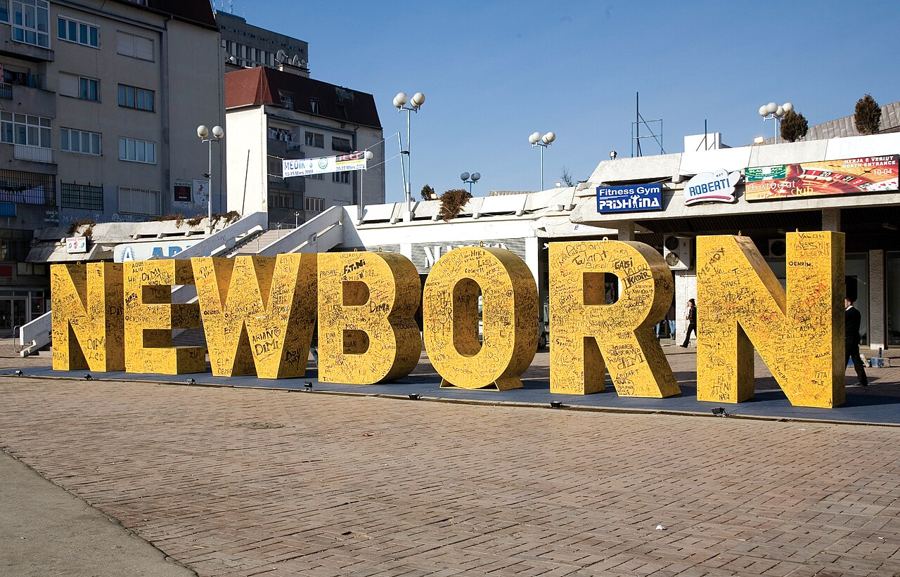 Change here for PristinaPristina in a day, on foot and on a shoestring
The bear sanctuary near Mramor
For many years, brown bears were kept in small cages outside restaurants in Kosovo to attract customers. After private keeping of bears was banned, an international animal welfare charity worked with the authorities to open a sanctuary near the village of Mramor, east of Pristina, in 2013. The rescued bears were moved there from their cages.
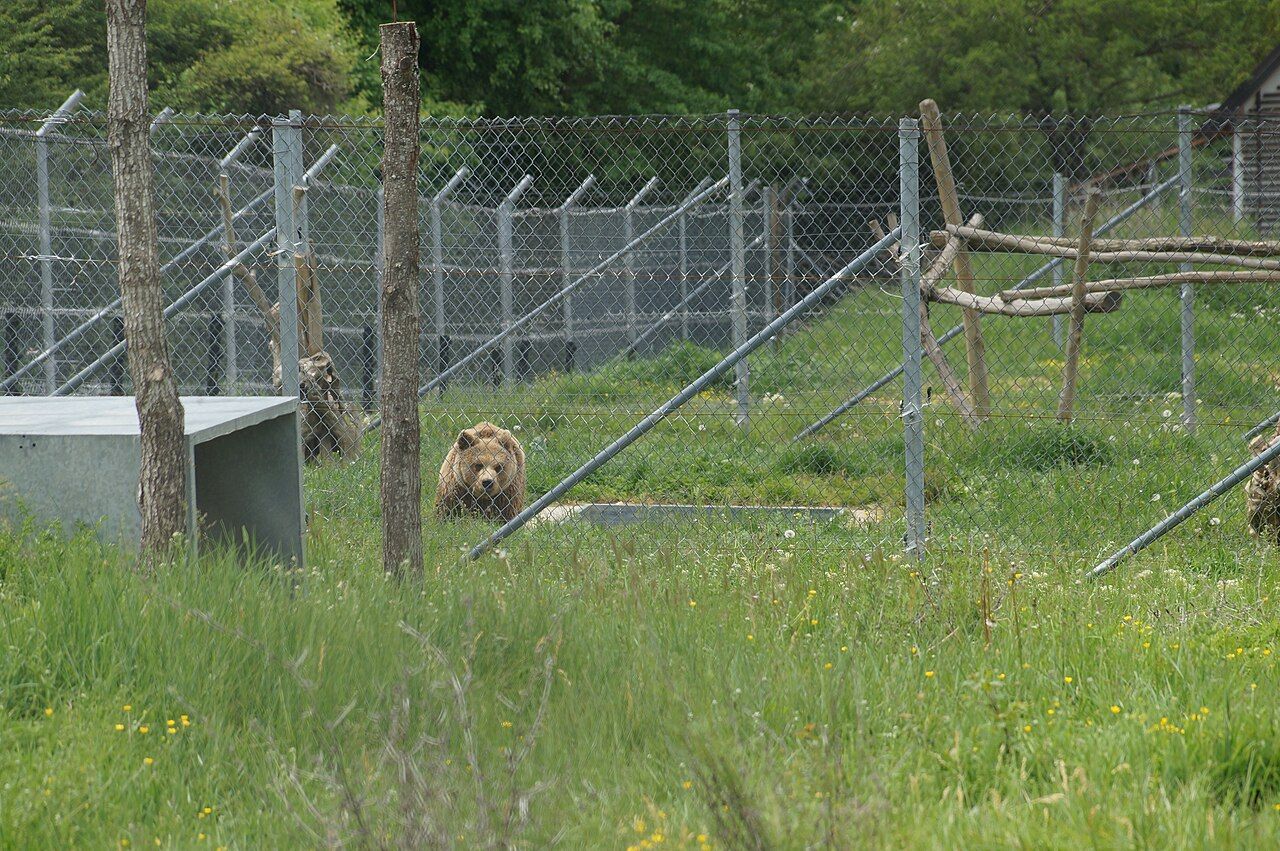
Today the bears live in large fenced enclosures with grass, trees, ponds and dens. Many arrived with health or behaviour problems from years in captivity, and the sanctuary is a place for them to recover and live out their lives rather than a zoo. You follow a path around the enclosures and watch them from a distance, behind fences.
A few things to know before you visit:
- Timing. Bears are more active in the cooler parts of the day. In the middle of winter many sleep for long periods, so you may see very few.
- Behaviour. Do not feed the bears, shout or bang the fences. Keep voices low; the animals are recovering.
- Fees and hours. There is usually a small entry fee that helps fund the bears' care. Hours change with the season, so check before you go.
- Surroundings. The sanctuary sits among hills and small lakes, so you can add a short walk.
Getting there and back
Germia is the easy one. City buses run from the centre towards the park entrance, and the ride is short; a taxi is also cheap if you share. Ask locally which line serves it, as routes and numbers change. You can also walk from the eastern edge of the centre in around an hour, mostly uphill.
The sanctuary takes more planning. Mramor lies east of the city, roughly half an hour away by road. Some buses heading in that direction can drop you near the turn-off, followed by a walk, but the simplest option for most visitors is a shared taxi. Agree the fare, including the wait or return, before you set off. Timetables and routes change, so check before you go.
A good day might combine both: the sanctuary in the morning while the bears are active, then lunch and a lazy afternoon walk in Germia. If you prefer caves to forests, the Marble Cave at Gadime is another easy half-day from the capital.